
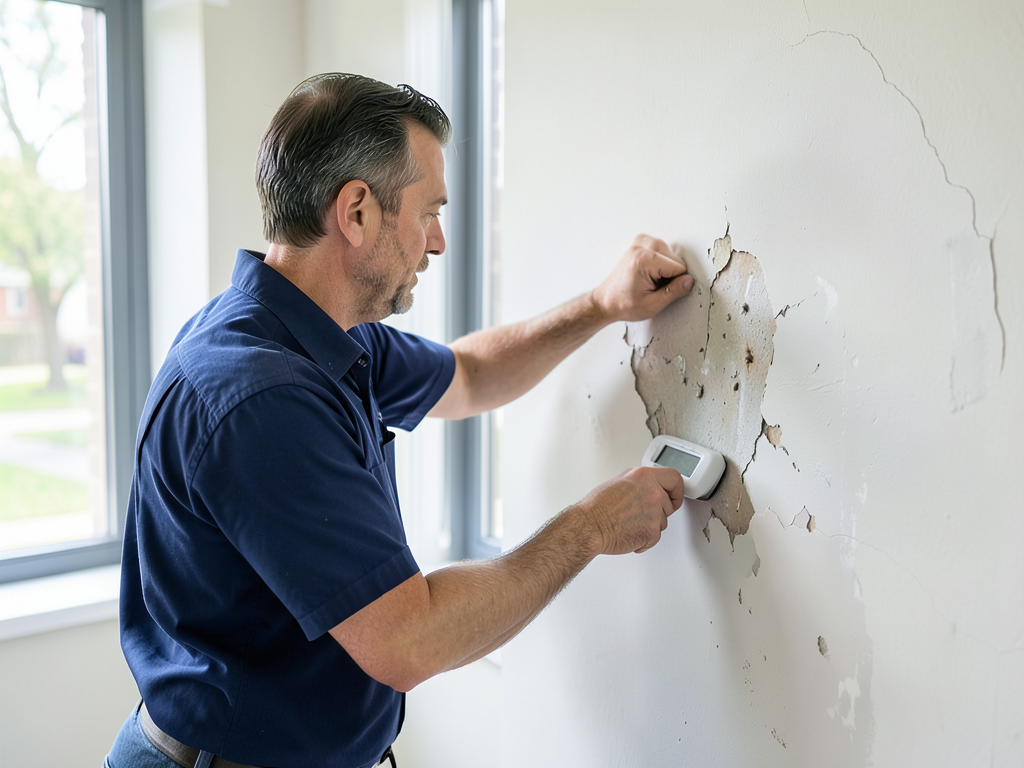
Who pays for water damage in a Riverside rental property?
Water damage in a Riverside rental property creates immediate stress and confusion about who covers the costs. California Civil Code Section 1941.1 establishes clear responsibilities through the ‘Implied Warranty of Habitability,’ requiring landlords to maintain safe living conditions while tenants must prevent negligence. Understanding these legal boundaries helps you take the right emergency steps and avoid costly disputes. California Civil Code Section 1941.1.
The Inland Empire’s unique challenges amplify these responsibilities. Riverside’s expansive clay soils cause foundation shifts that crack pipes. Hard water from Riverside Public Utilities creates mineral buildup that accelerates pipe corrosion. Santa Ana winds damage roof flashing, allowing rain intrusion. These local factors mean water damage here often involves multiple parties and complex insurance claims. What to do when a pipe bursts in your Riverside home.
California law requires landlords to repair plumbing defects and weatherproofing failures promptly. Tenants must report leaks immediately and avoid actions that cause water damage. Renter’s insurance typically covers personal belongings while landlord insurance covers structural repairs. The key distinction lies in whether damage results from normal wear-and-tear or tenant negligence. Top-rated water damage repair and restoration in Corona.
California State Law & The ‘Implied Warranty of Habitability’
California Civil Code Section 1941.1 creates the Implied Warranty of Habitability, making landlords legally responsible for maintaining rental properties in safe, livable condition. This includes proper plumbing, weather protection, and prevention of water intrusion. Landlords must repair defects that affect habitability within specific timeframes based on severity. Riverside water restoration teams that can be at your door in an hour.
For urgent water damage situations, California law requires landlords to begin repairs within 24-48 hours. This includes burst pipes, major leaks, or flooding that creates unsafe living conditions. Failure to act promptly can result in tenants withholding rent or breaking leases without penalty. Emergency flood cleanup and restoration in Jurupa Valley.
The warranty covers all plumbing systems including supply pipes, drain lines, fixtures, and water heaters. It also includes weatherproofing elements like roof integrity, window seals, and foundation waterproofing. When these systems fail due to age or normal wear, the landlord bears financial responsibility for repairs.
IMAGE_PLACEHOLDER_1
Common Scenarios: Who Pays for What?
Understanding liability requires examining specific damage scenarios. The following breakdown clarifies responsibility based on cause and location of damage.
| Damage Type | Typical Cause | Responsible Party | Insurance Coverage |
|---|---|---|---|
| Burst Supply Pipe | Pipe age, pressure, corrosion | Landlord | Landlord’s Property Insurance |
| Overflowing Toilet | Tenant misuse, clog | Tenant | Renter’s Insurance (HO-4) |
| Roof Leak | Storm damage, age | Landlord | Landlord’s Property Insurance |
| Appliance Leak | Tenant appliance, negligence | Tenant | Renter’s Insurance |
| Slab Leak | Soil movement, corrosion | Landlord | Landlord’s Property Insurance |
| Flood Damage | External water source | Depends on source | Separate Flood Insurance |
Scenario A: Sudden Pipe Bursts and Appliance Failures (Landlord)
When a pipe bursts due to age, pressure, or manufacturing defects, the landlord bears responsibility. This includes supply lines, drain pipes, and main water service lines. The damage extends to walls, flooring, and personal property affected by the failure.
California law requires landlords to maintain all plumbing systems in good working order. If a pipe bursts from normal wear-and-tear, the landlord cannot charge tenants for repairs. However, if the tenant caused the damage through negligence, liability shifts to the tenant.
Common landlord responsibilities include:
- Repairing burst pipes and replacing damaged sections
- Restoring damaged drywall, flooring, and cabinetry
- Addressing mold growth resulting from prolonged leaks
- Providing temporary housing if the unit becomes uninhabitable
Scenario B: Tenant Negligence (Overflowing Tubs, Unreported Leaks)
Tenants become financially responsible when their actions cause water damage. This includes overflowing bathtubs, leaving faucets running, or failing to report known leaks. The damage extends to both the rental unit and any affected neighboring properties.
Negligence creates liability for:
- Water damage to floors, walls, and ceilings
- Damage to adjacent units in multi-family buildings
- Personal property damage to other tenants
- Mold remediation costs
Tenants must carry renter’s insurance to cover these liabilities. Most policies include liability coverage of $100,000 or more for accidental damage to others’ property. Without insurance, tenants face personal financial responsibility for all damages.
Scenario C: Natural Disasters and External Flooding
External flooding from storms, river overflow, or groundwater intrusion creates complex liability questions. Standard landlord insurance typically excludes flood damage, requiring separate flood policies for coverage.. Read more about Questions you should ask a Riverside water damage contractor before you sign a contract.
Responsibility depends on the water source:
- Roof leaks from storms: Landlord responsibility
- Groundwater flooding: Tenant may need flood insurance
- Sewer backup: Depends on cause and local codes
- Storm surge: Separate flood insurance required
Riverside’s proximity to the Santa Ana River creates flood risk in certain areas. Properties in designated flood zones require flood insurance under federal law. Without this coverage, both landlords and tenants face uncovered losses from natural flooding events. Getting your Riverside water damage insurance claim approved.
The Role of Renter’s Insurance vs. Landlord Insurance
Understanding insurance coverage prevents disputes over who pays for restoration. Two distinct policies cover different aspects of water damage.
Landlord insurance (DP-3 policy) covers:
- Building structure and permanent fixtures
- Plumbing and electrical systems
- Appliances provided by landlord
- Personal property used for property maintenance
Renter’s insurance (HO-4 policy) covers:
- Tenant’s personal belongings
- Liability for damage to others’ property
- Additional living expenses during repairs
- Medical payments to others
The key difference: landlord insurance repairs the building while renter’s insurance replaces your belongings and covers your liability. Both policies may apply to the same incident, requiring coordination between insurers.
California law does not require tenants to carry renter’s insurance, but many landlords now mandate it through lease agreements. This protects both parties from financial losses when tenant negligence causes damage.
IMAGE_PLACEHOLDER_2
How to Document Water Damage for a Security Deposit or Insurance Claim
Proper documentation determines whether you recover costs from security deposits or insurance claims. Follow these steps immediately when water damage occurs.
- Photograph Everything
Take clear photos of all damaged areas from multiple angles. Include time stamps if possible. Document the source of water and extent of spread.
- Write Detailed Descriptions
Record what happened, when it started, and what actions you’ve taken. Note any communications with landlord or property manager.
- Save All Receipts
Keep receipts for emergency repairs, temporary housing, and replacement items. These become part of your claim documentation.
- Preserve Damaged Items
Don’t discard damaged belongings until the insurance adjuster examines them. Take photos of items before moving them.
- Track Communication
Save all emails, texts, and written notices about the damage. Document phone calls with dates and summaries.
California law requires landlords to return security deposits within 21 days of move-out. If they deduct for water damage, they must provide an itemized statement with receipts for repairs. Tenants can dispute unreasonable deductions through small claims court.
For insurance claims, notify your provider immediately after documenting damage. Most policies require prompt reporting to maintain coverage. Provide all documentation requested and follow up regularly on claim status.
Emergency Water Damage Mitigation Steps
Quick action prevents minor leaks from becoming major disasters. Follow these steps while waiting for professional help.
- Stop the water source if possible by turning off the main valve
- Remove valuable items from affected areas
- Begin water removal with towels, mops, or wet vacuum
- Improve air circulation with fans and open windows
- Document damage with photos before cleanup
Never delay professional water damage restoration. Mold begins growing within 24-48 hours in Riverside’s warm climate. Hidden moisture in walls and subfloors causes structural damage that becomes exponentially more expensive to repair over time.. Read more about Hidden signs of a dishwasher leak under your kitchen cabinets in Grandwood Park.
Professional restoration companies use specialized equipment to detect hidden moisture and prevent secondary damage. They also document the restoration process for insurance purposes, increasing your chances of claim approval.
Local Resources and Building Codes
Riverside County enforces specific building standards for water damage prevention. The California Building Code requires:
- Proper waterproofing in wet areas
- Pressure-regulating valves on main supply lines
- Proper drainage away from building foundations
- Moisture barriers in exterior walls
The City of Riverside Building & Safety Division handles permits for plumbing repairs and renovations. Major water damage repairs often require permits to ensure work meets current code standards. City of Riverside Building & Safety Division.
Riverside County Environmental Health oversees mold remediation to ensure proper containment and disposal. Licensed contractors must follow specific protocols when removing mold-infested materials.
For disputes with landlords, Riverside County Housing Authority provides mediation services. They can help resolve disagreements over repair responsibilities and security deposit deductions.
IMAGE_PLACEHOLDER_3
Frequently Asked Questions
Who pays for water damage if the tenant caused it?
The tenant pays for damage they caused through negligence. This includes overflowing tubs, unreported leaks, or damage from personal appliances. Renter’s insurance typically covers these costs, but tenants may pay out-of-pocket if uninsured.
How long does a landlord have to fix water damage in California?
For urgent situations creating unsafe conditions, landlords must begin repairs within 24-48 hours. Less urgent repairs have 30 days under normal circumstances. Failure to repair promptly can allow tenants to withhold rent or break leases.
Does renter’s insurance cover water damage from a burst pipe?
Renter’s insurance covers your personal belongings damaged by burst pipes but not the building structure. The landlord’s insurance covers structural repairs. Both policies may apply to the same incident for different aspects of damage.
Can a landlord charge for normal wear and tear water damage?
No. California law prohibits landlords from charging tenants for normal wear and tear. This includes gradual pipe corrosion, roof aging, or plumbing deterioration from normal use. Only damage from negligence or misuse can be charged to tenants.
What should I do first when water damage occurs?
Stop the water source if possible, document damage with photos, remove valuables from affected areas, and contact both your landlord and insurance provider immediately. Quick action prevents mold growth and limits damage extent.
Water damage in Riverside rental properties involves complex legal and insurance considerations. Understanding your responsibilities under California Civil Code Section 1941.1 helps you respond appropriately when leaks occur. Whether you’re a tenant protecting your security deposit or a landlord maintaining property habitability, quick action and proper documentation determine financial outcomes.
Don’t let water damage escalate into a major disaster. The longer moisture remains, the more expensive repairs become. Professional water damage restoration prevents mold growth, structural damage, and long-term health issues. With Riverside’s unique climate challenges, expert help ensures your property returns to safe, livable condition quickly.
Call (951) 309-5499 today to schedule your inspection. Our certified technicians arrive within 60 minutes to assess damage and begin emergency mitigation. We work directly with your insurance company to maximize claim approval and minimize your out-of-pocket costs. Available 24/7 for Riverside’s urgent water damage emergencies.
You may also find this helpful. What to do when your washing machine overflows in a Sycamore Highlands laundry room.
You may also find this helpful. Warning signs of a slab leak that every Riverside homeowner should know.
{
“@context”: “https://schema.org”,
“@type”: “BlogPosting”,
“headline”: “Who pays for water damage in a Riverside rental property?”,
“description”: “Confused about tenant vs. landlord responsibility for water damage in Riverside? Learn California Civil Code 1941.1 rules, insurance coverage, and emergency steps.”,
“wordCount”: 1762,
“datePublished”: “2026-03-14T08:38:00.000Z”,
“dateModified”: “2026-03-14T08:38:00.000Z”,
“inLanguage”: “en-US”,
“mainEntityOfPage”: {
“@type”: “WebPage”,
“@id”: “https://libertywaterdamagerestorationriverside.com”
},
“publisher”: {
“@type”: “LocalBusiness”,
“name”: “Liberty Water Damage Restoration Riverside”,
“url”: “https://libertywaterdamagerestorationriverside.com”
},
“author”: {
“@type”: “Organization”,
“name”: “Liberty Water Damage Restoration Riverside”,
“url”: “https://libertywaterdamagerestorationriverside.com”
},
“image”: {
“@type”: “ImageObject”,
“url”: “https://libertywaterdamagerestorationriverside.com/wp-content/uploads/2026/03/who-pays-for-water-damage-in-a-riverside-rental-pr-1.png”
}
}
{
“@context”: “https://schema.org”,
“@type”: “LocalBusiness”,
“name”: “Liberty Water Damage Restoration Riverside”,
“url”: “https://libertywaterdamagerestorationriverside.com”,
“address”: {
“@type”: “PostalAddress”,
“addressLocality”: “Riverside”
},
“areaServed”: {
“@type”: “City”,
“name”: “Riverside”
}
}
{
“@context”: “https://schema.org”,
“@type”: “FAQPage”,
“mainEntity”: [
{
“@type”: “Question”,
“name”: “Common Scenarios: Who Pays for What?”,
“acceptedAnswer”: {
“@type”: “Answer”,
“text”: “Understanding liability requires examining specific damage scenarios. The following breakdown clarifies responsibility based on cause and location of damage.”
}
},
{
“@type”: “Question”,
“name”: “Who pays for water damage if the tenant caused it?”,
“acceptedAnswer”: {
“@type”: “Answer”,
“text”: “The tenant pays for damage they caused through negligence. This includes overflowing tubs, unreported leaks, or damage from personal appliances. Renter’s insurance typically covers these costs, but tenants may pay out-of-pocket if uninsured.”
}
},
{
“@type”: “Question”,
“name”: “How long does a landlord have to fix water damage in California?”,
“acceptedAnswer”: {
“@type”: “Answer”,
“text”: “For urgent situations creating unsafe conditions, landlords must begin repairs within 24-48 hours. Less urgent repairs have 30 days under normal circumstances. Failure to repair promptly can allow tenants to withhold rent or break leases.”
}
},
{
“@type”: “Question”,
“name”: “Does renter’s insurance cover water damage from a burst pipe?”,
“acceptedAnswer”: {
“@type”: “Answer”,
“text”: “Renter’s insurance covers your personal belongings damaged by burst pipes but not the building structure. The landlord’s insurance covers structural repairs. Both policies may apply to the same incident for different aspects of damage.”
}
},
{
“@type”: “Question”,
“name”: “Can a landlord charge for normal wear and tear water damage?”,
“acceptedAnswer”: {
“@type”: “Answer”,
“text”: “No. California law prohibits landlords from charging tenants for normal wear and tear. This includes gradual pipe corrosion, roof aging, or plumbing deterioration from normal use. Only damage from negligence or misuse can be charged to tenants.”
}
},
{
“@type”: “Question”,
“name”: “What should I do first when water damage occurs?”,
“acceptedAnswer”: {
“@type”: “Answer”,
“text”: “Stop the water source if possible, document damage with photos, remove valuables from affected areas, and contact both your landlord and insurance provider immediately. Quick action prevents mold growth and limits damage extent.”
}
}
]
}
{
“@context”: “https://schema.org”,
“@type”: “HowTo”,
“name”: “Document Water Damage”,
“step”: [
{
“@type”: “HowToStep”,
“position”: 1,
“name”: “Photograph Everything”,
“text”: “Take clear photos of all damaged areas from multiple angles. Include time stamps if possible. Document the source of water and extent of spread.”
},
{
“@type”: “HowToStep”,
“position”: 2,
“name”: “Write Detailed Descriptions”,
“text”: “Record what happened, when it started, and what actions you’ve taken. Note any communications with landlord or property manager.”
},
{
“@type”: “HowToStep”,
“position”: 3,
“name”: “Save All Receipts”,
“text”: “Keep receipts for emergency repairs, temporary housing, and replacement items. These become part of your claim documentation.”
},
{
“@type”: “HowToStep”,
“position”: 4,
“name”: “Preserve Damaged Items”,
“text”: “Don’t discard damaged belongings until the insurance adjuster examines them. Take photos of items before moving them.”
},
{
“@type”: “HowToStep”,
“position”: 5,
“name”: “Track Communication”,
“text”: “Save all emails, texts, and written notices about the damage. Document phone calls with dates and summaries.”
}
],
“image”: “https://libertywaterdamagerestorationriverside.com/wp-content/uploads/2026/03/who-pays-for-water-damage-in-a-riverside-rental-pr-1.png”
}
{
“@context”: “https://schema.org”,
“@type”: “BreadcrumbList”,
“itemListElement”: [
{
“@type”: “ListItem”,
“position”: 1,
“name”: “Home”,
“item”: “https://libertywaterdamagerestorationriverside.com”
},
{
“@type”: “ListItem”,
“position”: 2,
“name”: “Blog”,
“item”: “https://libertywaterdamagerestorationriverside.com/blog”
},
{
“@type”: “ListItem”,
“position”: 3,
“name”: “Who pays for water damage in a Riverside rental property?”
}
]
}
{
“@context”: “https://schema.org”,
“@type”: “Service”,
“serviceType”: “Water Damage Restoration”,
“provider”: {
“@type”: “LocalBusiness”,
“name”: “Liberty Water Damage Restoration Riverside”,
“url”: “https://libertywaterdamagerestorationriverside.com”
},
“areaServed”: {
“@type”: “City”,
“name”: “Riverside”
},
“description”: “Confused about tenant vs. landlord responsibility for water damage in Riverside? Learn California Civil Code 1941.1 rules, insurance coverage, and emergency steps.”
}